When you hear of the Keto Diet, what’s the first thing that comes to mind?
Does it have anything to do with meat, meat and more meat by any chance?! How about butter or cheese?
It’s understandable that so many consider the Keto Diet a carnivore’s dream where fried eggs, bacon and huge steaks are encouraged and where little attention is paid to anything else. But in fact, if done right, the Keto Diet is like any other healthy eating plan minus a few details which we will come to later.
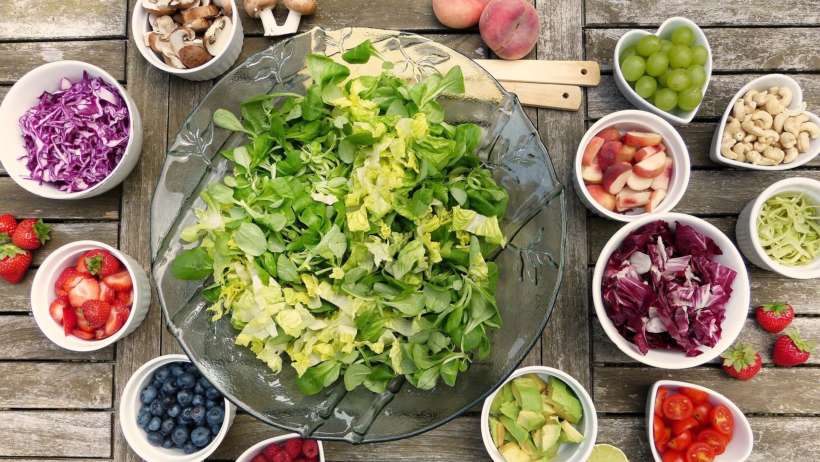
When pondering a healthy Keto Diet it’s not just about the quality of the fats and protein you eat. A huge part is about packing in those veggies. On a standard Keto you can eat up to 6 cups of low carb veggies, so don’t waste your allowance!
I like the idea that the Keto Diet is a plant based diet and heavy protein foods like meat and tofu should be sides, rather than the other way around.
So How Does It Work?
The Keto Diet was originally developed by Russell Wilder in 1924 to treat epilepsy. It’s crazy to think that weight loss, for which Keto is now famous for, wasn’t even a consideration back then. But as we know, it was found to bring about weight loss and so gained popularity in the mainstream for this, to this day.
So are you ready for a bit of science? Let’s go!
Your body uses glucose for energy primarily, which comes from the carbohydrates in your meals. For example, starches, sugars, fruits and veg.
If you limit your carb intake per day as with the Keto Diet, the glucose levels in your blood, muscles and liver begin to run low. It’s at this point that your body begins to use ketones as your primary energy source which comes from the fats you eat as well as your stores. This process is called ketosis which can take a few days to fully kick-in depending on various factors. Factors such as whether you exercised recently or how much stored glucose you had in the first place.
One of the most well known benefits therefore is weight loss due to fat stores being used for energy. But there’re a few other benefits as well which I’ll come to soon.
Guidelines In A Nutshell
There’re variations on guidelines but a typical Keto Diet comprises of 70% fat, 20% protein and 10% carbs. So a person eating an average of 2000 kcal per day would consume up to 50g of carbs, 100g protein and 156g fat.
This format isn’t black and white and should be changed depending on your personal needs. For example, you can ‘up’ your carbs for when you exercise. Or you can cycle in and out and go Keto for five days of the week and ‘up’ the carbs for two.
Everyone is unique and if you were to try this way of eating, I’d encourage you to experiment with different macro quantities. After all, the best diet is one you can sustain comfortably, healthily and joyfully.
Why Do Keto?
- Weight loss: Those who are overweight or suffering obesity will have massive improved health benefits if they were to lose the weight, regardless of what dietary approach they take. The benefits of going Keto is that weight loss can occur rapidly at the start mainly due to water weight being shed. It then gives sustained weight loss by burning into excess body fat stores.
- Reduced inflammation: This has been shown over and over in scientific studies, but did you also know that ketones themselves have an anti oxidant effect? I didn’t either, now you know!
- Improved cognition: Our ancestors needed to be well adapted and mentally sharp during periods of fasting from food groups. This ensured their survival. Ketones have also been shown to improve memory and stabilise mood.
- Reduced appetite: When in ketosis your appetite can reduce overall meaning you feel less inclined to top up with carb rich foods.
- Improved athletic performance: Ketones yield more ATP (energy) than glucose per gram and so if you’re well adapted to states of ketosis, you’ll have improved athletic performance.
Do Keto Well
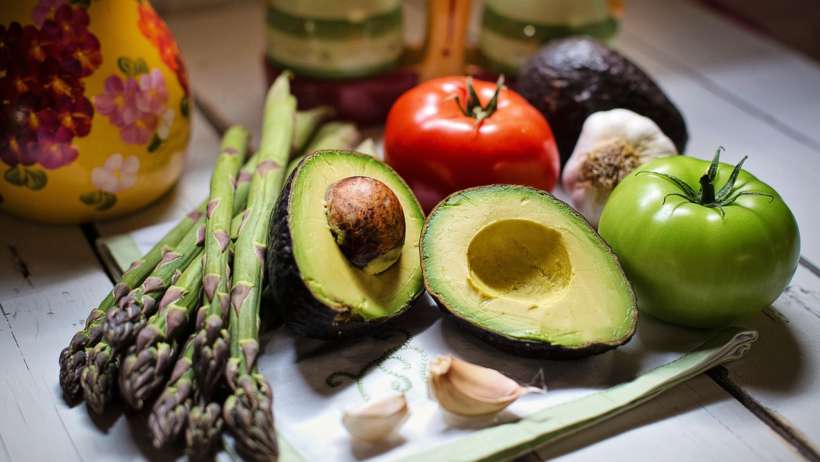
Good fats and protein. Up to about 70% of your daily calories should come from fats. Now that’s not hard because fats are over double the calorie value of protein and carbs so you only need to eat half as much to get the effect. But please focus on piling on the good fats with each meal instead of the dirty ones. Choose olive oil, avocado oil, olives, avocado, oily fish, raw nuts and dairy. Minimise over industrialised seed and vegetable oils, poorly made burgers, reformed meats, cheap bacon and sausages.
Veggies. As with any healthy diet, variety in the foods you eat are key to a happy gut. Not only will a wide variety of vegetables, meats, dairy and other protein sources give the largest array of micronutrients, but a diet high in veg will also provide all the fibre you need for good digestion. Focus on plenty of prebiotic fibres including Leeks, onions, artichokes, asparagus and dandelion greens. Eat an abundance of low carb vegetables such as green leafy veg, cauliflower, broccoli, radishes and Brussel sprouts. Vegetables grown underground such as potatoes and carrots are not recommended due to their high carb content. But, as long as you stay within your carb allowance then technically they can be squeezed in.
How Do You Know You’re In Ketosis?
Breath analysers and urine test strips are available to buy and they give real time feedback on whether you’re in full ketosis or not. Utilising these also let’s you know which foods throw you out of ketosis and to therefore steer clear of. For example, certain nuts like cashews can be enough to do the trick.
Should You Veto Keto?
As with any major dietary change, there’re risks involved. With Keto, these are the following:
- Lack of nutrients. Cutting down on a food group means that the nutrients contained within them will be dramatically decreased if not managed properly. For example, starchy grains, beans and legumes contain a whole range of precious nutrients such as fibre, zinc, selenium, B vitamins and copper. However, these can all be found in Keto friendly foods. A general recommendation for good health is to eat a wide variety in your diet to ensure you’re getting the nutrition you need.
- Constipation. This is a common side effect especially if you focus on the protein and fat side of Keto rather than the carbs found in veggies. Load up on up to 6 cups of vegetables per day.
- Don’t rush into it. Going from a high carb diet to Keto may cause uncomfortable symptoms termed the ‘Keto flu’. These include headaches, fatigue and irritability. Take your time in reducing your carbs and allow up to one month to adapt fully to a full blown Keto Diet.
- This is for the females. We have a sensitive hormonal balance that’s easily knocked off course. If you cut too many calories, it messes with your cycle. Women are more sensitive to weight fluctuations and dietary changes. Therefore long term Keto especially on a stressed woman with already low body fat would benefit from carb cycling instead.