Do you ever feel confused about what you should be including in your daily diet? There’s so much information on what we should be eating, you can’t be blamed if you do. To make things a bit easier, I can give you short lists of what you should be aiming to eat daily if you want to keep your gut healthy. Firstly, to do this, I’ll need to give you an idea of what’s residing in our guts and how probiotics and prebiotics can help.
All of us have around 100 trillion bacteria (along with fungi, viruses and protozoa) living in our digestive systems, and to put things in perspective, this means they outnumber our own cells by 3-4 times! Our bodies also house more bacterial DNA than our own cellular DNA. So who is in charge of who?!
Philosophical questions aside, in a healthy gut the bacteria are like busy bees in a hive, all with their own jobs and responsibilities. Like a busy community in a bustling city. They’re their own ecosystem with thousands of species working together happily and symbiotically. Studies have shown that the less varieties of species in the gut, the more susceptible a person is to health problems1. The food we eat directly affects the variety of our gut bacteria and pro/prebiotics are a great way to positively impact the health of our microbiome.
Probiotics
A probiotic is any food or supplement that stimulates the growth and diversity of the bacterial community in our guts2. If we aim to eat a rich nutrient-dense diet with plenty of probiotics our microbiome will thrive in diversity and function, and this is good news for us, the host!
Food sources of probiotics are easily accessible in local supermarkets and can be extremely tasty. They include:
- Sauerkraut and pickles
- Kimchi
- Kefir
- Kombucha
- Natural live yoghurt
- Miso
- Tempeh
Eating either of these regularly will ensure that you’re topping up your own good bacteria. Begin with a spoonful daily and build it up over time. If you don’t experience any bloating then feel free to increase your daily dose. If you decide to stop eating these foods it’s no problem at all, but you may lose the good little guys that you placed in your gut by eating the probiotics in the first place.
Prebiotics
Prebiotics are types of non-digestible fibres that are found in some plant foods and they act as the food source for our bacteria friends. Examples include:
- Artichoke
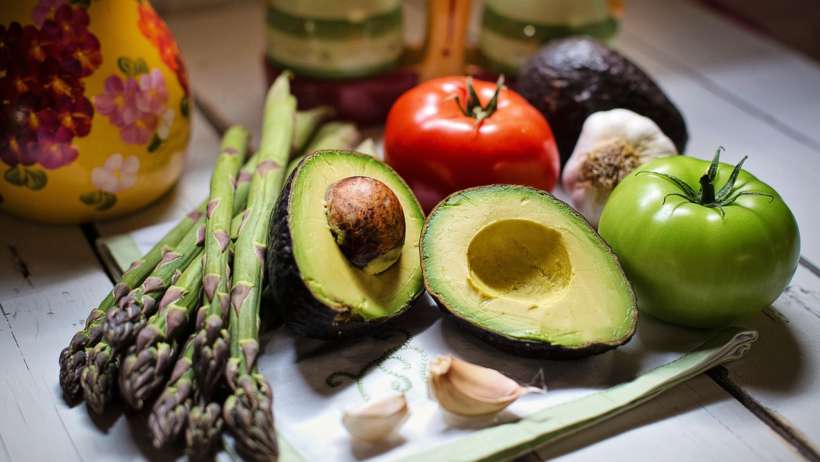
- Garlic
- Dandelion greens
- Leeks
- Onions
- Oats
- Soybeans
- Apples
- Bananas
- Cacao
Prebiotic fibres have the ability to allow positive changes in the gut microbiome composition and activity3. Once the prebiotic fibres feed the bacteria, they go on to produce chemicals called short chain fatty acids. These travel around our body and have all sorts of wonderful health supporting effects. A key SCFA is butyrate which has been shown to optimize the lining of our gut which is key to good health. It’s also able to cross our blood-brain barrier (via the gut-brain-axis) regulating our appetite and increasing insulin sensitivity4.
Be aware of how you cook prebiotic foods, as the benefits can be affected by food preparation such as freezing or cooking at high temperatures5. Avoid burning these foods and try steaming and sautéing rather than boiling or roasting and buy organic wherever you can.
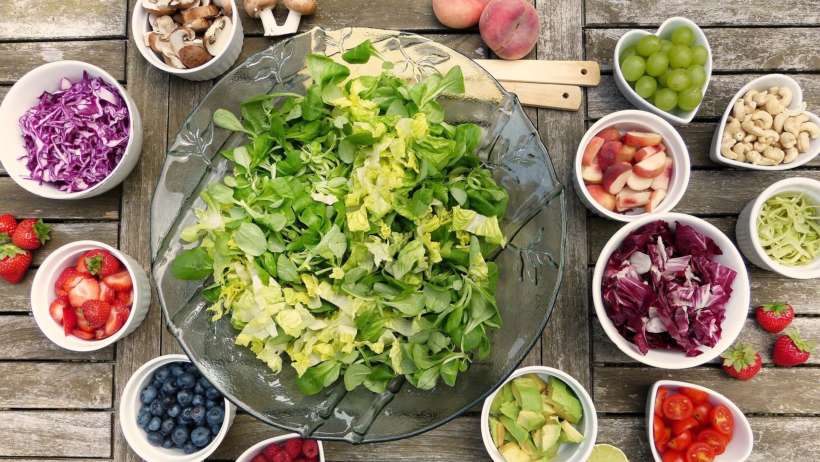
Eat any of these prebiotics foods daily for maximum benefits. But, this list is easy to forget! So to make it easier, if you aim to eat the rainbow and have as many different varieties of plant foods as you can, you’re bound to be consuming prebiotics at the same time!
There’re many good quality probiotic and prebiotic supplements available but they can be expensive. If you choose to supplement ensure you check with a nutrition specialist first for advice on brands and dose.
References
1. Valdes, A. et al. (2018). ‘The role of the gut microbiota in nutrition and health’, BMJ, 361.
2. Shi, L.H. et al. (2016). ‘Beneficial properties of probiotics’, Trop Life Sci Res, 27(2), pp.73-90.
3. Carlson, J.L. et al. (2018). ‘Health effects and sources of prebiotic dietary fibre’, Curr Dev Nutr, 2(3).
4. Liu, H. et al. (2018). ‘Butyrate: a double-edged sword for health?’, Adv Nutr, 9(1), pp.21-29.
5. Scott, K.P. et al. (2019). ‘Developments in understanding and applying prebiotics in research and practice – an ISAPP conference paper’, Journal of Applied Microbiology, 128 (4), pp.934-949.