
Scientists estimate that the average adult has at least 700 toxins in their body and that a newborn may have over 200 toxins. (Institute of Functional Medicine)
Let me paint a picture for you.
Imagine you’re at work and it’s one of your busiest days yet. You’re in the office earlier than usual to make a start before distractions and you’re finishing late to bring everything to completion. Exhausted, dehydrated and aching, you begin to pack up your things and leave for home. But just as you swing your bag over your shoulder your boss dumps another stack of papers on your desk marked ‘URGENT’. Gggaaaahhhhhh!
If it was any other day you would’ve happily worked on those urgent papers. But when you’re already tired, overworked and depleted you simply can’t manage anymore.
This is how you’re body responds to toxins from your food and environment.
Gluten may not have been a problem for you before – but now it’s causing rashes.
You used to eat sugary treats without gaining a pound, but now it goes straight to your hips.
You used to be able to wear perfume, but now it gives you a headache.
These days even the smallest stressor can cause you to blow up in a rage.
Over time our bodies build up toxins from our food and environment. When you reach your genetic limit of detoxification you may start to notice all kinds of symptoms like fatigue, food allergies, PMS, autoimmunity and weight gain.
At this point you need to start off-loading stress from your body to allow yourself to catch up. If you don’t, you may be heading for worsening of symptoms or, even worse, chronic disease.
The Detox Master
Let me bring your attention to your very own detox master, your liver. Some fun facts:
Your liver is the largest solid organ in your body, beating the heart and brain
Your liver can repair from damage more quickly than any other part of your body meaning it’s the most forgiving for your lifestyle sins
The latter brings hope that your liver, no matter how burdened, can always make a huge comeback!
When toxins enter your body the liver packages them up into water soluble compounds ready for excretion in your stools, urine and sweat. Easy peasy. How ever if these toxins build up it can cause the liver to become sluggish, congested and less able to do what it needs to. Similar to when you’re trying to do the housework with the flu – a disaster.
In order to support your liver in doing its job you need to provide it with the nutrition that it needs in order to allow it to function optimally.
Supporting Your Liver With Food
So if you’re ready to start supporting your liver in detoxification here is where to begin from a nutritional perspective. Give yourself four weeks to try the following and track any changes in your physical or mental wellbeing:
Be Gone!
By first taking away common food sensitivities you may start to notice some symptoms easing straight away meaning they were causing some stress on your body. Now that’s not to say they caused your health niggles in the first place, but they may just be adding to your workload – like the urgent paperwork at the office at the start of this article.
- Remove common food sensitivities such as gluten, dairy, sugar and processed foods with added unrecognisable ingredients (I’m not a gluten/dairy basher but the quality of the way they’re produced these days could be the reason why so many people are sensitive to them).
- Remove any other foods you feel don’t agree with you.
- Reduce environmental toxins where possible so buying organic, drinking filtered water and keeping food away from plastic packaging will help.
- There may be a bacterial or parasite infection contributing to your toxic burden. Stool tests are available through nutritional therapists, functional medicine practitioners or similar.
Yes Please!
By adding in healthful nutritious foods and drinks you can supply the goodness your liver needs to rejuvenate and bring everything back into balance.
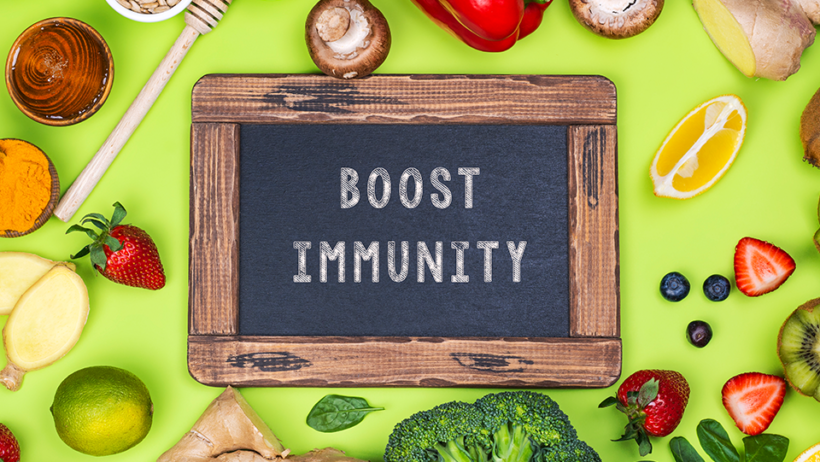
- Eat the rainbow. Consuming a wide range of colourful and fibrous veggies ensures you’re getting a wide variety of phytonutrients which support your immune system.
- Include high antioxidant foods like berries, dried herbs and spices and eat satisfying, nutrient rich lentils and beans (if they don’t cause you to feel gassy).
- Include gluten free grains like quinoa, rice and amaranth as well as snacks like seed crackers or brown rice cakes.
- Swap dairy for dairy free alternatives such as coconut yoghurts, oat and almond milks and munch on palmful of raw nuts and seeds every day.
- Ensure you’re eating enough protein as it’s the basis of detoxification. To do this include a complete protein with every main meal. Complete protein examples are meat, poultry, fish, eggs, tofu and tempeh.
- Switch to organic produce wherever possible to reduce chemicals in your diet.
Focus on the 3 P’s:
Now you’ve removed possible problem foods and eating nutrient dense meals, support your body in excreting the toxins by following the 3 P’s.Poops: Eat plenty of fibre in order to encourage daily pooping! Up to 35g per day is recommended if you’re serious about supporting your detoxification. This is roughly the equivalent to a bunch of kale, bunch of collard greens, 1/2 cup quinoa, 1/2cup lentils, 2 carrots, 1 small sweet potato, palmful of almonds and 2 tablespoons of flax seeds. To make this easy I encourage you to fill half your plate with veggies for lunch and dinner and snack on satisfying heart-healthy nuts and seeds.
Pee’s: At least 8 glasses of water if you’re sedentary. If you exercise add another litre to that. This will encourage your body to urinate often, excreting those toxins as it goes. Aim for pee that’s a pale yellow colour. Stock up on herbal teas such as green, dandelion and rooibos to offer further detox support.
Perspiration: Aim to sweat as often as you can. Now for those of you in colder climates, sweating might be the furthest thing from your mind (do your sweat glands even work anymore you might ask yourself!) but even a warm bath counts. Just make sure you have a towel nearby to wipe the sweat away. You don’t want those toxins reabsorbed into the skin.
Environmental Toxin Newbie’s
Toxins in the environment may also be playing a part in burdening your liver and so consider removing as many as you can.
Now I’ll admit I’m a total newbie to environmental toxins (xenoestrogens, phthalates and other chemical terms) and therefore my advice will be brief. But certainly strong smells from perfumes and skin care products, plastics and food additives all play a role in toxic build up. If there’s one valuable piece of information I’ve learned regarding removal of environmental toxins it’s this – it can take years to make all the changes recommended by the pro’s. So start small whether it be swapping to unscented products, using fluoride free toothpaste, taking food out of plastic packaging as soon as you get home from your food shop or buying organic produce where possible. It all helps.
If it all seems overwhelming and you have no idea where to start just think about your symptoms and when they usually occur. For example when you feel brain fog, is it all day? If not, when does it come on? Is it related to a specific time of day or even a specific place in the house or office? What are you usually doing, is it stressful or are you eating/drinking? By taking a deep look at your symptoms you may be able to uncover some clues to aid in your decision of where to start making some changes.

1 Comment
Tamara Walpole
hello. test