Do you experience pesky health problems and wonder if cleaning up your diet would help?
You won’t know until you try.
What to eat and what not to eat is a minefield these days and you can’t be blamed for being confused or unable to begin a healthy eating regime. What if you eat the wrong things? What if you cut out something you didn’t need to? Can you still have wine and chocolate and still be healthy?
So many questions and the answers lie in taking on a structured dietary protocol. You can do it from home or it is highly recommended that you ask for professional advice to ensure you get results.
But first, what do I mean by ‘pesky health problems’? Excuse my lingo, but what I’m referring to are symptoms that we’ve all experienced at some point in our lives but unfortunately are chronic for some. They are:
- Headaches
- Acid reflux
- Gas
- Bloating
- Belching
- Nausea
- Constipation/diarrhoea
- Skin rashes or spots
- Achey joints
- Poor energy
- Weight gain/loss
And the list could go on and on.
Not only can diet be related to these common symptoms but it could also be contributing to more serious conditions such as autoimmune diseases or heart conditions.
Watch the video below or read on for more details.
My Top 5 Tips
There’s a lot to know about fixing your health, but I’ve tried to whittle it down to my top 5 tips on how to get started on your healthy eating journey:
- Remove possible inflammatory foods for three weeks and see if it changes your symptoms. This is a classic Elimination Diet protocol. There’s no need to remove the foods all at once but you can do it one at a time to isolate and shine the spotlight on the culprit. My advice is to start with the food you KNOW not good for your health or that you have an instinct it could be causing your problems. Common inflammatory foods include gluten, dairy, refined sugar, unrecognisable chemicals in processed foods, alcohol and industrial seed oils.
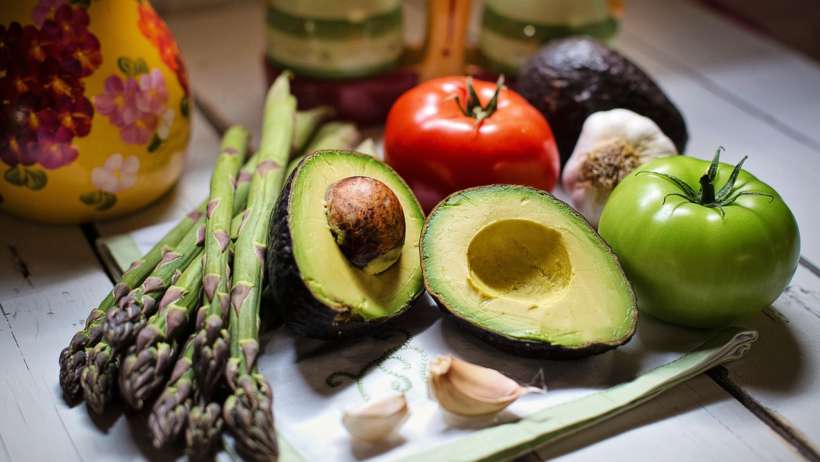
- If you remove foods, you must ensure you’re replacing them with lots of nutrients to support your health. Load up on colourful vegetables, herbs, raw nuts, raw seeds, whole grains and well sourced animal proteins and fat.
- Include probiotic foods, the ones that contain live bacteria which instantly set up camp in your gut upon eating. The more diverse the species of gut bacteria the better. So eat plenty of sauerkraut, kimchi, kefir, natural live yoghurt and any other fermented foods (avoid beer, it doesn’t count!).
- Include prebiotic foods to feed the good bacteria in your gut. These include specific kinds of vegetables and fruits such as jerusalem artichokes, leeks, chicory roots, unripe bananas and potato starch (which can be bought as a powder from your local supermarket).
- Give your digestive system a rest in between meals and avoid grazing all day. This means eat solid meals so that snacking is not needed. There’s a fabulous process in your small intestine (SI) called the ‘migrating motor complex’. It basically refers to when your tummy grumbles when you’re hungry. This grumble is your SI squeezing excess bacteria and residue along the tract as an act of ‘house cleaning’. If your SI doesn’t get the chance to do this often enough, the bacteria and residue can build up and cause a host of problems including bacterial overgrowth.
I hope these 5 top tips have given you some food for thought. The next step is to look into this further and decide how it can help you and where you can begin to make a change.
Read books, look up these topics on the internet, ask advice from nutritionally savvy people and get in touch with me so I can answer any questions you have.